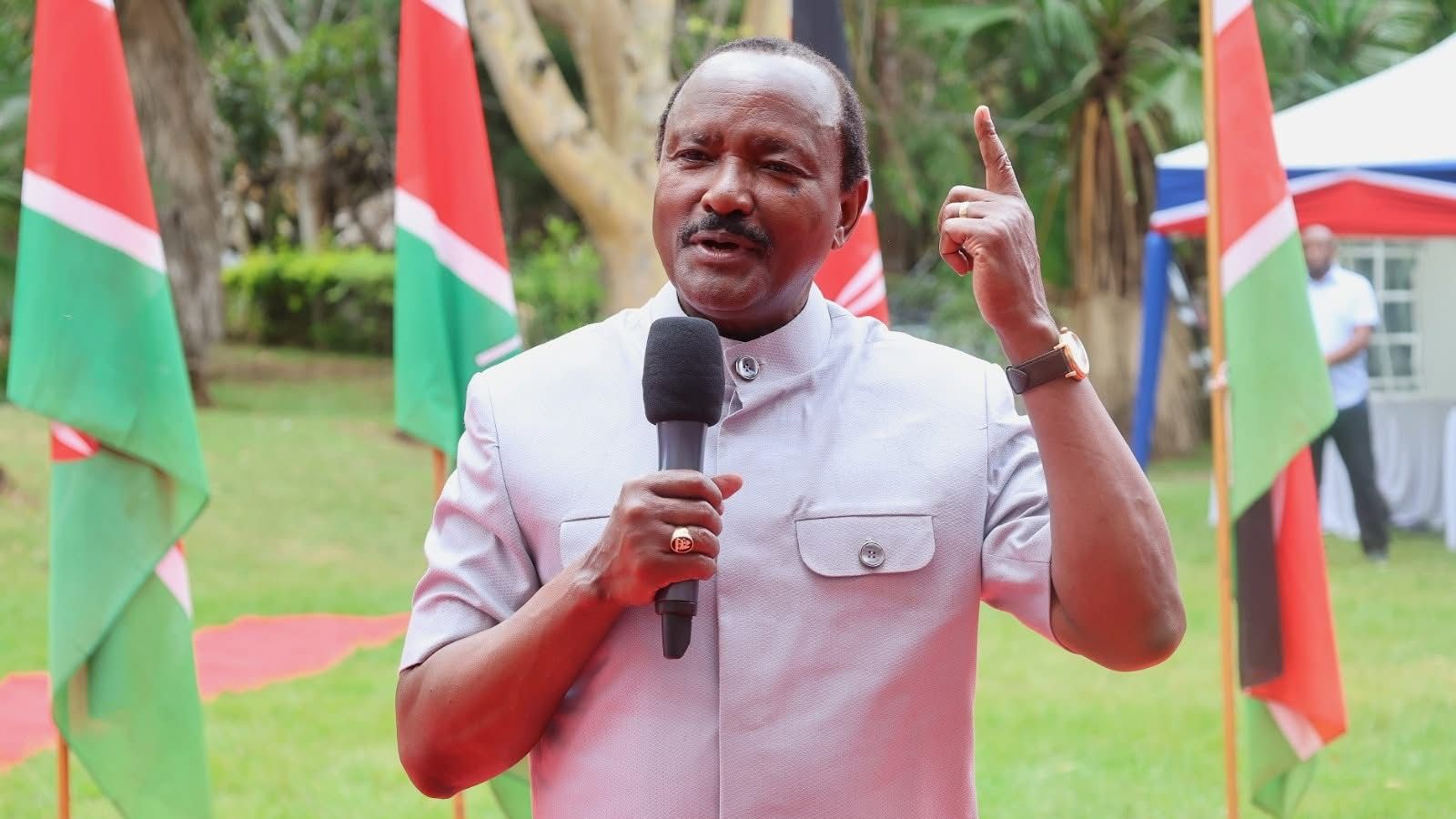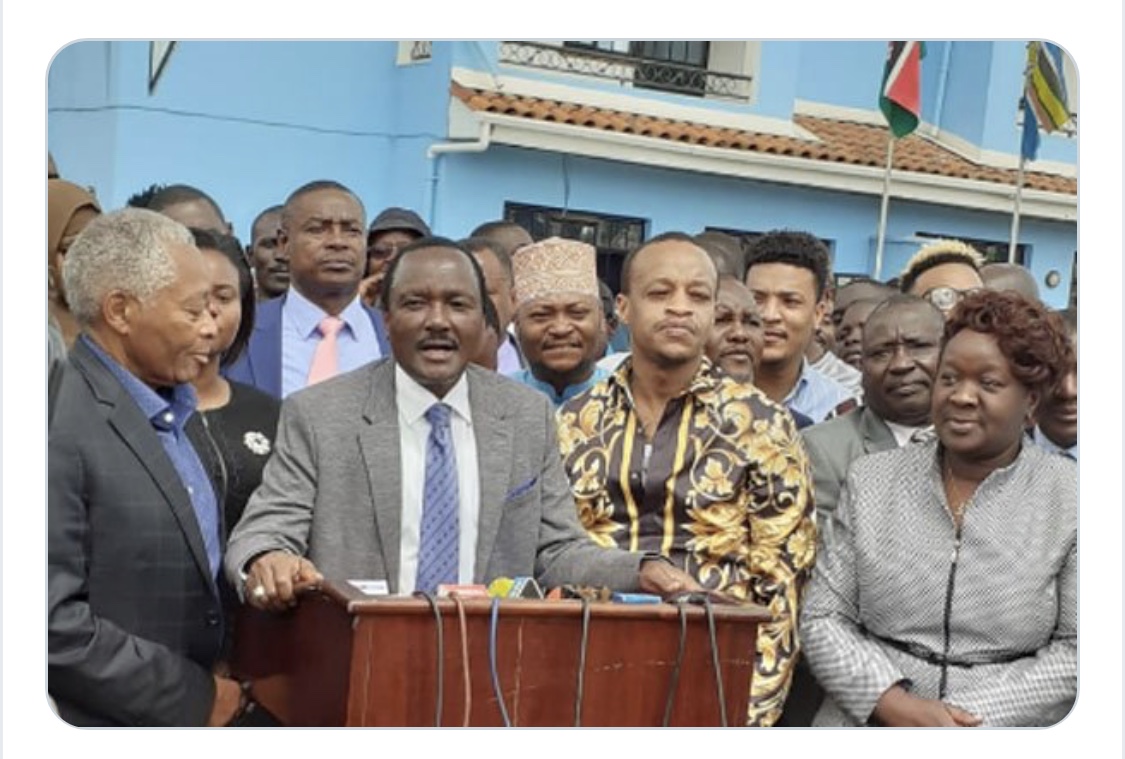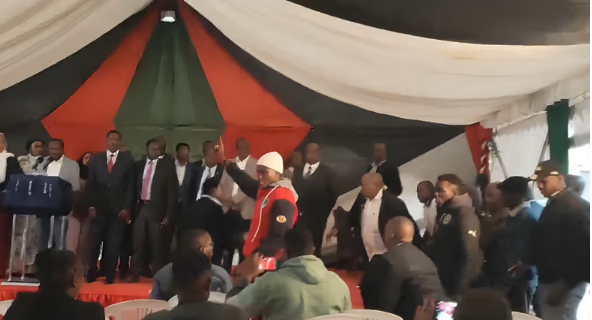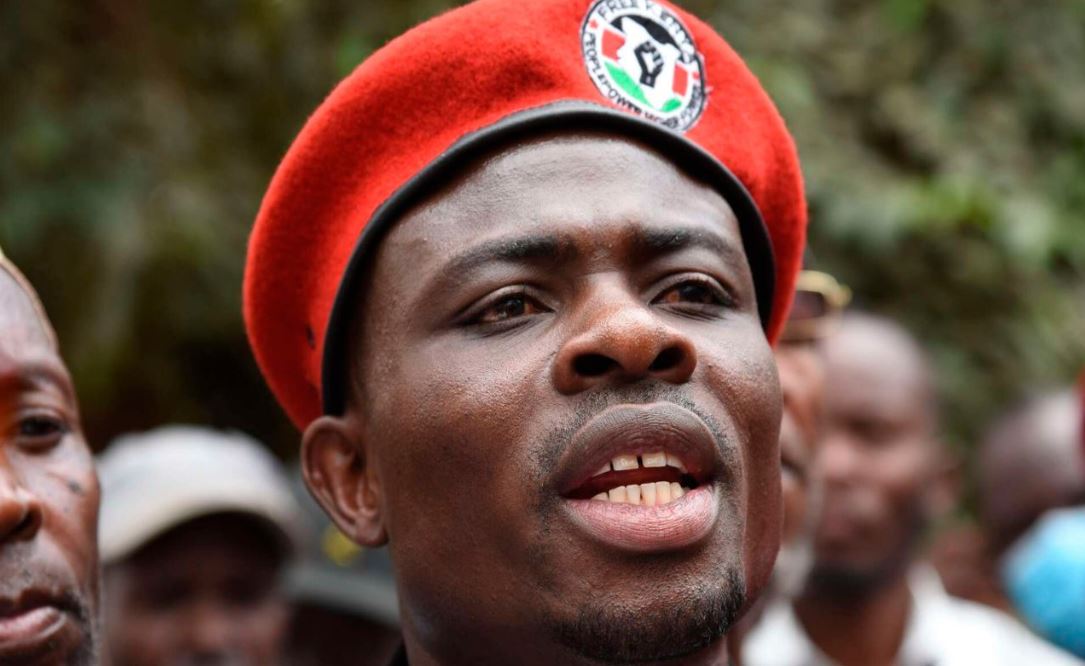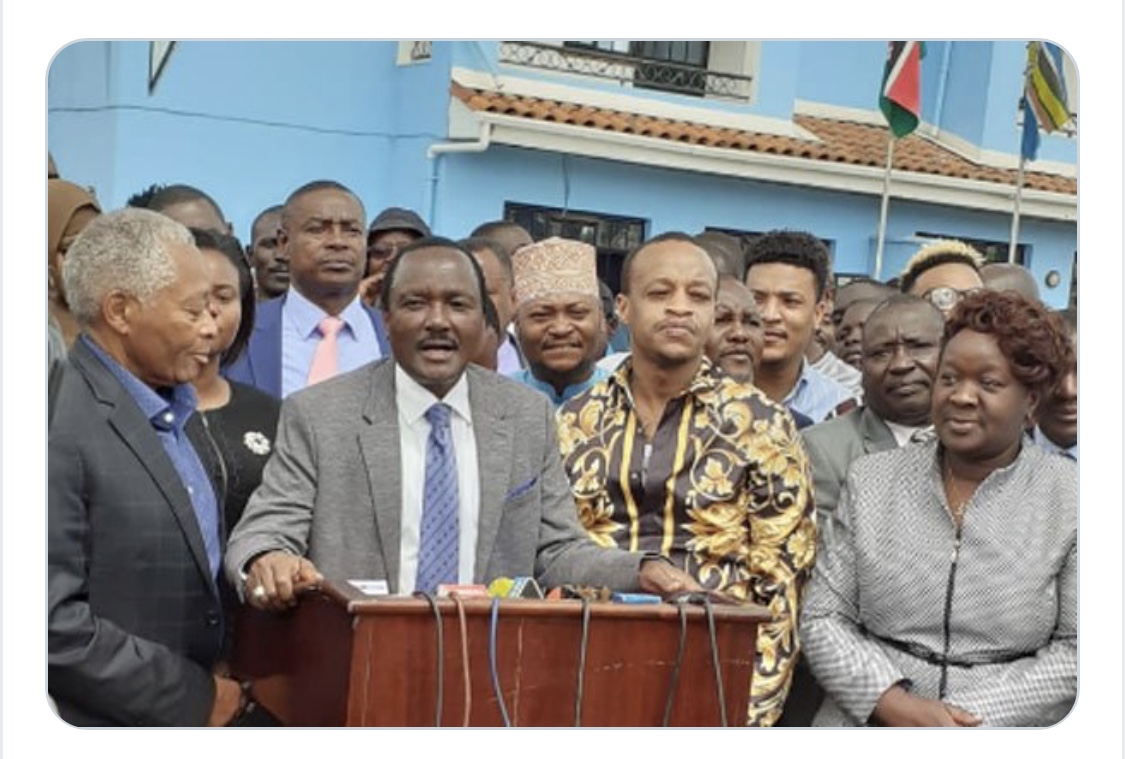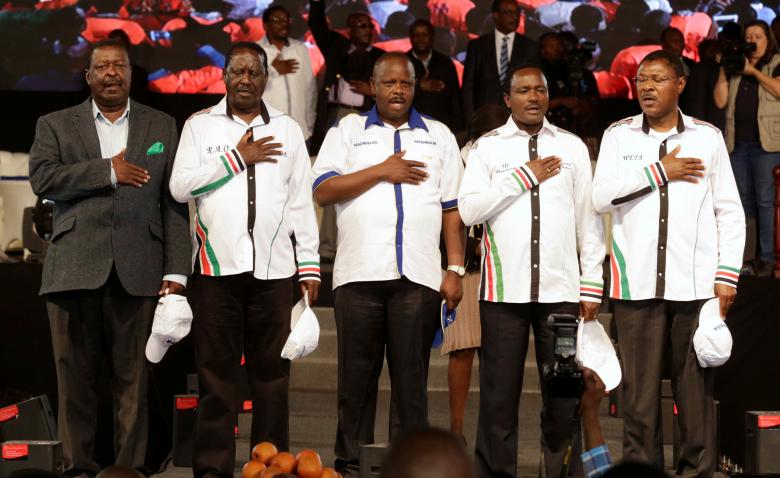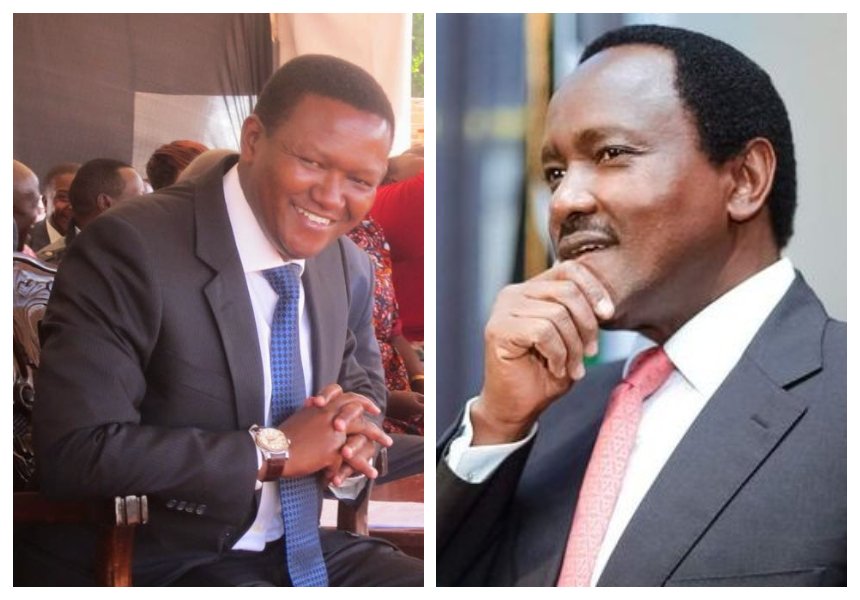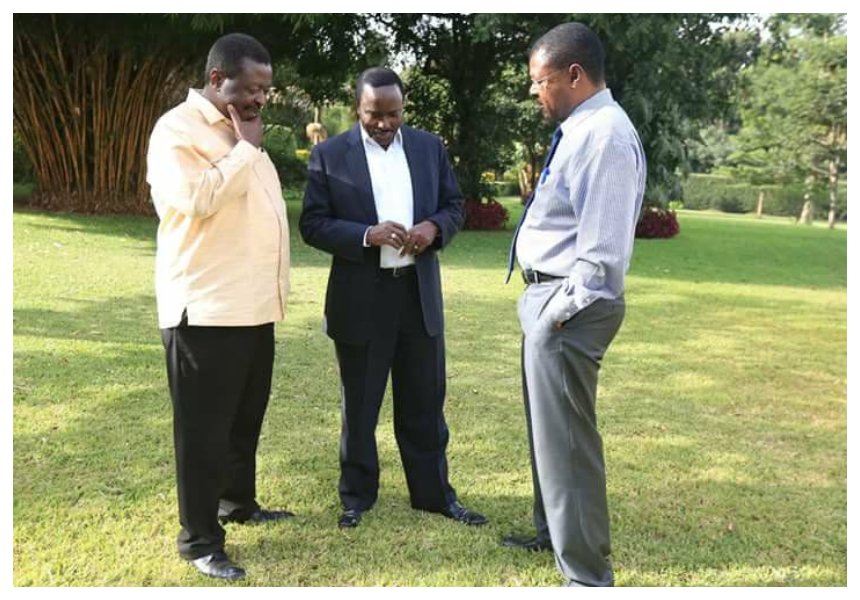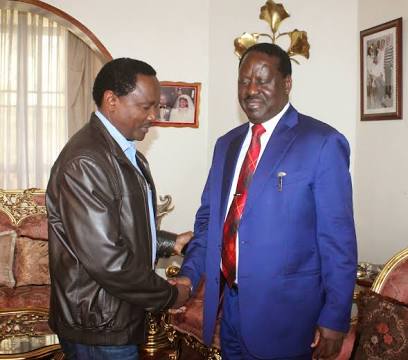
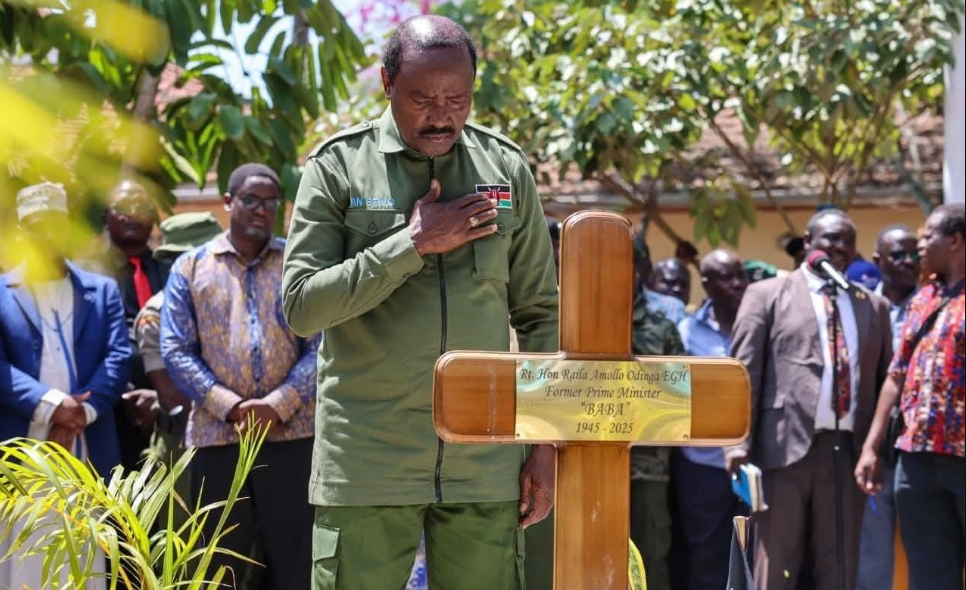
On Thursday, June 25, 2026, opposition stalwarts Kalonzo Musyoka (Wiper) and Martha Karua (PLP) led grieving families to the Parliament buildings to lay wreaths in honor of the Gen Z protesters killed during the anti-Finance Bill demonstrations in June 2024.
The procession, which marched from the Serena Hotel, included notable figures such as former Chief Justice David Maraga, DAP-K leader Eugene Wamalwa, and Siaya Governor James Orengo. Despite a heavy, armed security presence encircling the legislative buildings, the families and leaders pressed forward to complete the memorial tribute.
Accountability Over Compensation
The solemn event served as a platform for families to demand justice for their slain kin. Gillian Munyao, the mother of the late Rex Masai—one of the first victims of the 2024 police crackdowns—delivered a stern message to State House, rejecting financial settlements in place of justice.
“Compensation cannot replace accountability. Arrest the killer cops. That is my message to the government.” — Gillian Munyao, Mother of Rex Masai
Political Pledges for the Memorial Day
Speaking earlier during a press briefing at the Serena Hotel, Kalonzo Musyoka committed to immortalizing the date if the opposition alliance unseats President William Ruto in the upcoming 2027 General Election.
“Next year, God willing, we shall formalize this day to be a proper public holiday, complete with the points that the Gen Zs have highlighted,” Kalonzo declared.
Nairobi in Lockdown
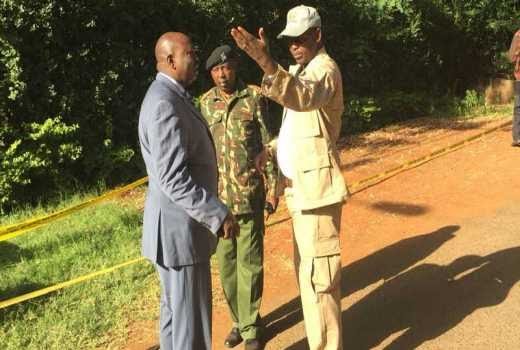
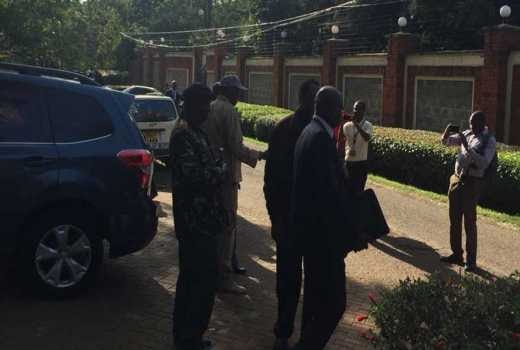
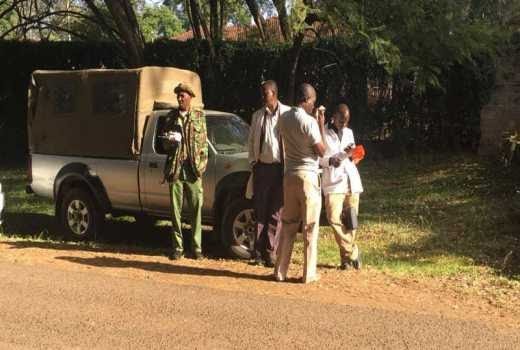
The memorial march took place against the backdrop of a heavily fortified capital. Security agencies had fortified the Parliament buildings with barbed wire and deployed a massive contingent of specialized officers to man the area.
Major transit arteries leading into the Nairobi Central Business District (CBD)—including Thika Road, Waiyaki Way, Mombasa Road, Lang’ata Road, and Ngong Road—faced severe gridlock due to snap police checkpoints.
Addressing the public disruption, Deputy Inspector General of Police (DIG) Gilbert Masengeli defended the roadblocks, explaining that the measures were strictly operational checks designed to screen for armed individuals and prevent criminal goons from infiltrating the commemorative e